
So much love, and so much worry
A new baby in a Mississauga home brings a stream of visitors: grandparents arriving from abroad, aunties from across Peel, colleagues with gifts, neighbours who want a peek. Everyone admires the baby. And in many families someone, often a grandmother, quietly worries that all this admiration will bring nazar, drishti, ayn, mal de ojo or usog, depending on where the family comes from.
Then the baby cries for three hours one evening, or refuses to feed after a big gathering, and the worry becomes urgent. This post covers what to check, how to keep customs safely, and what a prayer session for a baby involves.
Medical first, every time
Newborns cannot tell you what is wrong, and some problems move fast. Whatever your beliefs, these need a doctor, not a ritual:
- Any fever in a baby under three months. Get medical care the same day.
- Trouble breathing, blue or grey lips, or a baby who is floppy or very hard to wake. Call 911.
- Refusing feeds, far fewer wet diapers than usual, or repeated forceful vomiting.
- A cry that sounds very different from normal and will not settle.
For anything you are unsure about, call Health811, where a registered nurse can advise you at any hour. Many families do both: they take the baby to be checked, and they say their prayers at home. There is nothing contradictory in that.
The customs families bring, and how to keep them safe
Protective customs for babies are found in almost every culture in Mississauga. Most are gentle and can continue. A few need small changes for a newborn's safety.
The black dot
A small dot of kajal behind the ear, on the sole of the foot or at the hairline is common in South Asian families. Health Canada has warned that some kohl, kajal and surma products contain lead. If you keep the custom, use a tiny amount of a product made for skin with listed ingredients, and keep it away from the eyes and mouth.
Threads, bracelets and beads
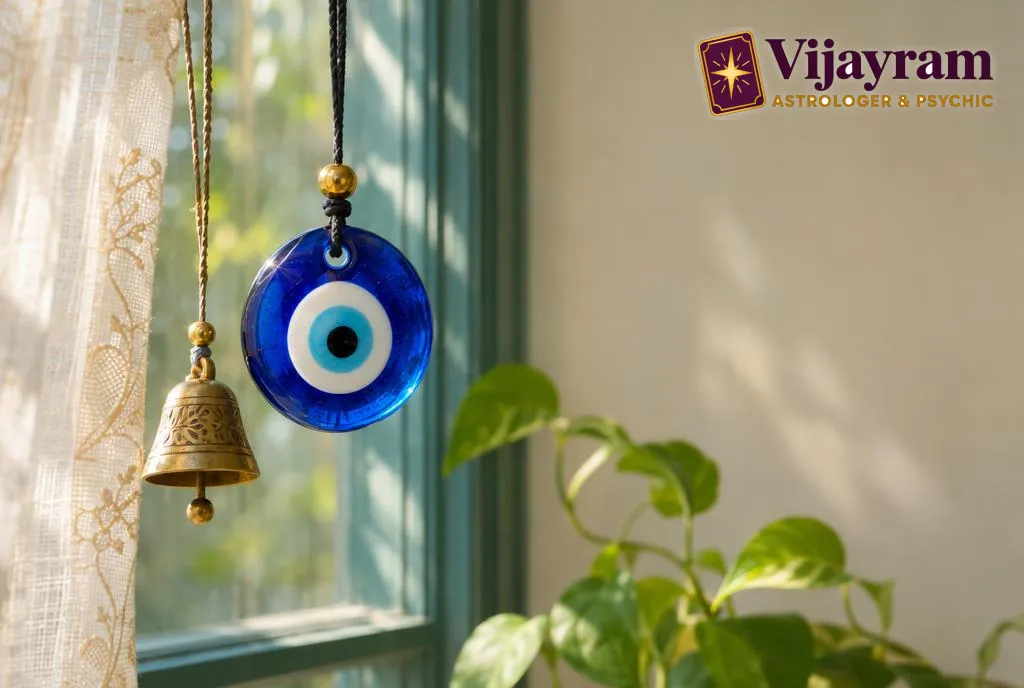
Black threads, blue evil-eye beads, small gold bangles and amulets on cords are much loved. For a baby, anything around the neck, wrist or ankle is a choking and strangling risk, particularly during sleep. Pin the charm to the outside of the stroller hood or hang it on the wall near the crib, out of reach, instead of putting it on the baby.
Circling with salt or chillies
Many grandmothers circle salt, chillies or a coin around the baby and then throw it away or into water. This is fine as long as nothing is burned near the baby and nothing is left within reach.
Words and quiet
Saying "mashallah", "touch wood" or a short prayer when admiring a baby, and keeping the first weeks quiet with fewer visitors, are protective customs that cost nothing and help a tired mother rest.
The safe-sleep rule wins over every custom: baby on their back, in their own crib or bassinet, with nothing else in it.
Visitors and photos
You are allowed to limit visits in the first weeks. A simple message works: "We are keeping things quiet for now; we will send photos soon." When you do share photos, some families post fewer or share them only in private groups. That is a reasonable choice for privacy, whatever you believe about nazar.
If a particular relative's visit leaves you uneasy, try not to turn it into blame. Nazar is usually understood as unintended, the shadow of admiration rather than ill will. More on this is in evil eye after good news.
What a prayer session for a baby involves
The baby does not need to be on the call or even awake. A parent speaks with Master Vijay Ram by phone, WhatsApp or video and gives the baby's name and, if you have it, the date, time and place of birth. He listens to what has worried you, and asks whether the baby has been checked by a doctor.
If an evil eye prayer is appropriate, he performs it remotely for the baby by name. You are given a short, gentle routine for home, such as a prayer at bedtime or a simple circling custom done safely, and told how long to keep it up. Nothing is applied to the baby's body. How he handles nazar for children and adults is described on the evil eye and evil spirit removal page.
Some parents also ask for the baby's first birth chart or help with a name. Choosing a baby name with numerology explains that side.
The parents matter too
Exhaustion, tearfulness and anxiety are very common after a birth. If low mood, panic or frightening thoughts last more than a couple of weeks, tell your doctor or midwife. If you have thoughts of harming yourself, call or text 988. Looking after the mother is one of the oldest protections a baby can have.
To ask about a prayer for your baby, call or WhatsApp (437) 214-2199. The price is told before anything is booked, and the full list of services is on the Mississauga page.